

When Should You Repair Your HVAC vs. Replace It?
When your system breaks down, the big question is simple. Should you choose HVAC repair or replace the equipment?
The answer depends on age, repair cost, comfort, safety, and how often the system breaks down. A newer system with a small repair may be worth fixing. An older system with major problems may cost more to keep alive than it is worth.
GE Heating & Air has helped Denver homeowners make these calls for more than 20 years. Here is how to think through the decision before you schedule a service.
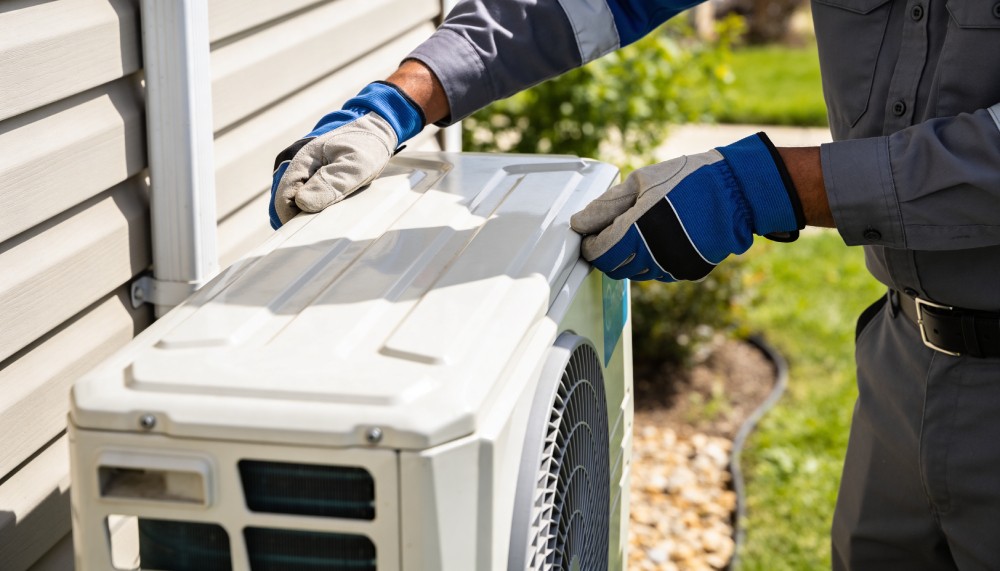
Heating System Repair vs Replacement
Heating system repair makes sense when the problem is clear, the repair cost is reasonable, and the system still has useful life left.
For example, a faulty ignitor, dirty flame sensor, thermostat issue, or worn capacitor may be a practical repair on a furnace that is still in good condition. These repairs can often restore comfort without the cost of a new system.
Repair may be the better choice when:
- The system is under 10 years old
- The repair cost is low compared with system value
- The equipment has been maintained
- Breakdowns are rare
- Your energy bills have stayed steady
- The system heats or cools your home evenly
Replacement may make more sense when repairs are expensive, parts are hard to get, or comfort keeps getting worse. A repair should solve the problem. It should not become a short pause before the next breakdown.
If you are not sure which way to go, call GE Heating & Air at (303) 252-3185. A technician can inspect the system and explain your options clearly.
Should I Replace My HVAC?
If you are asking, “Should I replace my HVAC?”, start with the age of the system.
Many HVAC systems last about 15 to 20 years, depending on use, maintenance, installation quality, and Denver weather. Some systems last longer. Others start having problems earlier.
Age alone does not decide the issue. But it matters.
A 7-year-old system with one repair may be worth fixing. A 17-year-old system with repeated failures needs a harder look. As equipment ages, efficiency often drops. Parts wear down. Motors work harder. Coils get dirty. Small problems can stack up.
Ask these questions:
- How old is the system?
- How much is the repair?
- How often has it broken down?
- Are utility bills rising?
- Does the home stay comfortable?
- Are major parts failing?
If the system is older and comfort is poor, replacement may be the better long-term choice. Visit HVAC services to learn more about repair and replacement options.
The 50% Rule: When HVAC Repairs Stop Making Sense
An HVAC equipment upgrade may make financial sense when a repair costs close to half the value of a new system.
That is the 50% rule.
For example, if a new system costs $8,000 and the repair is $4,000, replacement may be the better option. You would be putting a large amount of money into older equipment with no guarantee that another part will not fail soon.
Another common check is the $5,000 rule. Multiply the system age by the repair cost.
A 12-year-old system with a $600 repair equals $7,200. That number suggests replacement may be worth discussing.
A 6-year-old system with a $400 repair equals $2,400. That repair may still make sense.
These rules are not perfect. They are decision tools. The right choice also depends on your budget, how long you plan to stay in the home, and how well the system has been maintained.
GE Heating & Air offers free estimates and financing options, so you can compare repair and replacement without guessing.
Furnace Replacement Timeline
A furnace replacement timeline often starts when major parts fail or breakdowns become frequent.
Some problems are strong replacement signals. A cracked heat exchanger can affect safety and is often not worth repairing on an older furnace. Repeated breakdowns during heating season are also a warning sign. If you are calling for service every year, the system may be nearing the end.
For cooling systems, compressor failure can also push the decision toward replacement. The compressor is one of the most expensive AC parts. If the system is old, replacing the full unit may be more practical than paying for a major repair.
Replacement may be the better call when:
- The system is 15 to 20 years old
- A major part has failed
- Repairs are becoming frequent
- Energy bills keep rising
- Rooms feel uneven
- The system runs longer than it used to
Your HVAC repair or replacement decision should come down to facts, not pressure. GE Heating & Air can inspect your system, explain the repair cost, and help you compare your options.
Contact us to schedule service with a local Denver HVAC team.