

How Dirty AC Filters Can Lead to Costly Repairs
Dirty AC filters are one of the most common causes of avoidable air conditioning repairs. Many homeowners overlook them because the system
still runs. But restricted airflow puts stress on every part of your AC. Over time, that stress leads to breakdowns, higher bills, and
shorter system life. Knowing how this happens helps you prevent problems before they turn expensive.
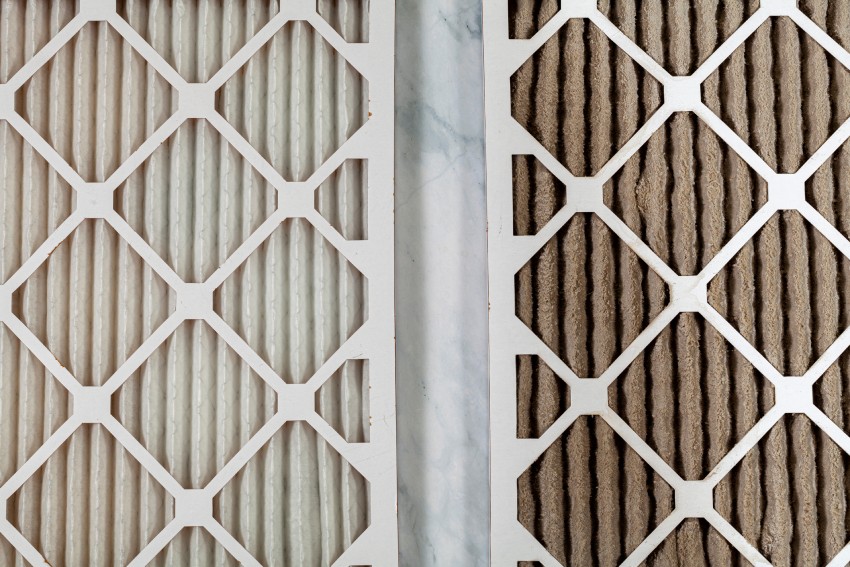
How Air Filters Work in an AC
Understanding how air filters work makes the risk clear. Your AC pulls air from your home, passes it through a filter, then cools and circulates it back through the system.
The filter traps dust, pollen, pet hair, and debris. This keeps the blower, coil, and other components clean. Clean airflow allows the system to run at the right pressure and temperature.
When the filter stays clean, airflow stays steady. When the filter clogs, airflow drops. That imbalance forces the system to work harder to move air, even though cooling output drops.
Consequences of a Dirty Air Conditioner Filter
A dirty air conditioner filter causes more than weak airflow. It creates a chain reaction of problems.
Restricted airflow leads to the evaporator coil getting too cold. That can cause ice buildup. Once ice forms, cooling drops fast and water damage can follow when it melts.
Here are common consequences tied to dirty AC filters:
-
Higher energy bills from longer run times
-
Frozen coils that stop cooling
-
Overheated blower motors
-
Compressor strain that leads to failure
-
Uneven cooling across rooms
- Reduced indoor air quality
Compressor replacement is one of the most expensive AC repairs. In many cases, it starts with airflow issues caused by dirty AC filters. What seems like a minor oversight can turn into a repair costing thousands.
How Often Should You Change Your AC Filter?
How often you change your AC filter depends on your home and usage.
As a general rule:
-
Every 30 days for homes with pets or allergies
-
Every 60 days for average households
-
Every 90 days for light use or vacation homes
High efficiency filters may last longer, but they also clog faster in dusty homes. Denver’s dry climate can increase airborne dust, which shortens filter life.
Do not rely only on the calendar. Check the filter monthly. If it looks gray or clogged, replace it. Filters are inexpensive compared to repairs caused by neglect.
When to Call an HVAC Contractor
Changing filters is simple, but some signs point to deeper issues. Call an HVAC contractor if you notice:
-
Ice on refrigerant lines or coils
-
Weak airflow even with a clean filter
-
AC running constantly without cooling
-
Unusual noises after filter replacement
-
Rising bills with no clear reason
These issues suggest damage beyond the filter. A professional inspection can confirm whether airflow problems have already affected the system.
Regular AC maintenance helps catch these issues early. During service visits, technicians check airflow, coil condition, and motor performance. That keeps small problems from spreading.
Why this matters
Dirty AC filters quietly damage systems over time. They reduce efficiency, increase wear, and raise the risk of major failures. Replacing a filter takes minutes. Replacing a compressor takes days and costs far more.
If you are unsure whether dirty AC filters have already affected your system, get it checked. A licensed HVAC contractor can inspect airflow and system health.
If you want to avoid costly repairs and keep your system running longer, contact us to schedule professional AC maintenance. Small steps now help prevent major problems later.