

Heat Pump vs Furnace: Which Heating System Is Better?
Choosing between a heat pump vs furnace is a common question for homeowners planning a system upgrade. Both options heat your home, but they work in very different ways. Climate, energy costs, and home setup all affect which one makes sense. If you are deciding between a furnace or heat pump, understanding how each system works helps you avoid a costly mistake.
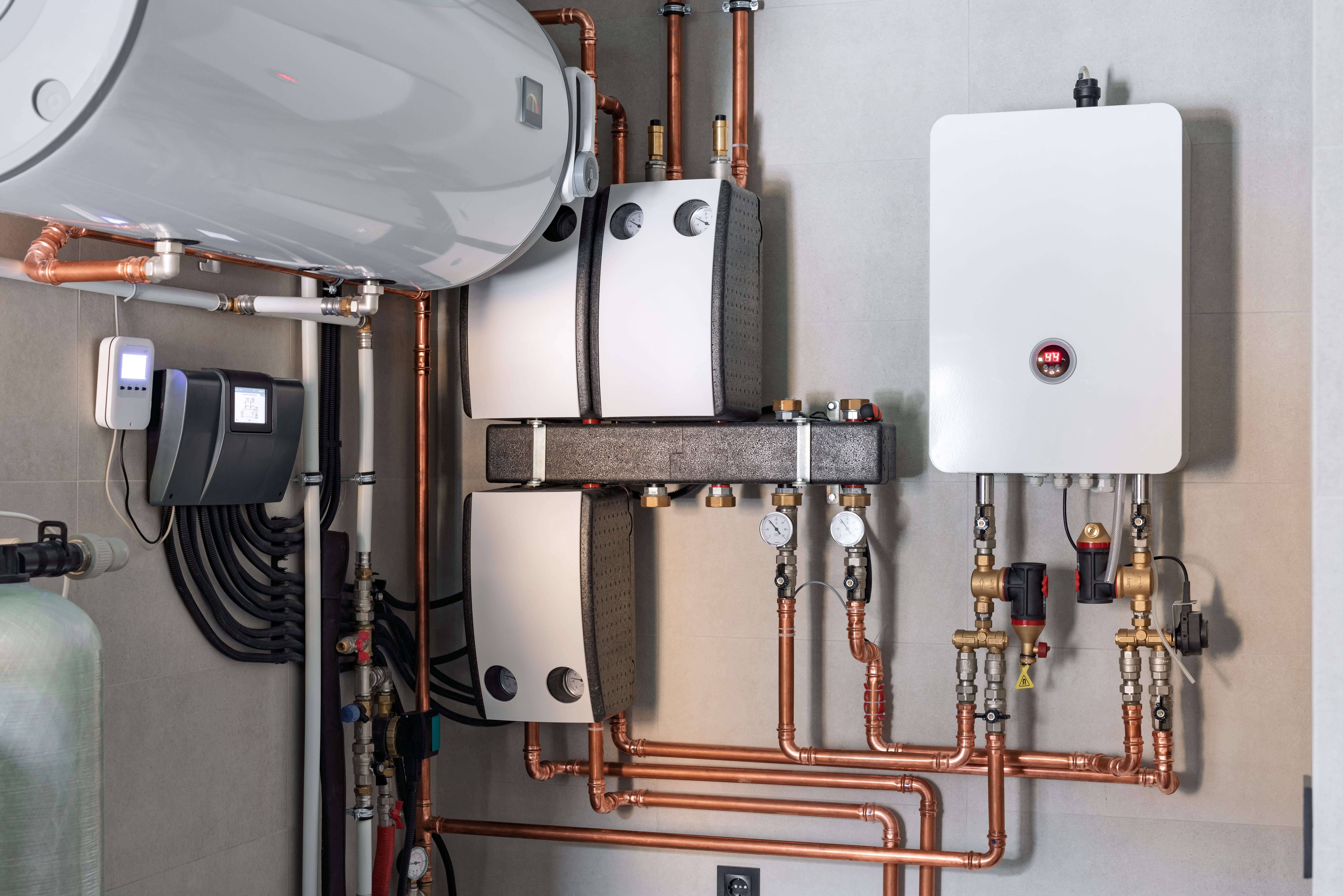
How Does a Furnace Work?
Many homeowners still ask “how does a furnace work?”. A furnace creates heat and pushes it through your home using ductwork.
Gas furnaces burn natural gas inside a sealed chamber. That heat warms a metal exchanger. Air passes over it and moves through the ducts. Electric furnaces work similarly but use heating elements instead of gas.
Furnaces produce high heat fast. That makes them reliable in very cold weather. In areas with long winters, furnaces stay popular because they can maintain indoor comfort even when outdoor temperatures drop well below freezing.
Most furnaces last 15 to 20 years with proper care. They do require fuel delivery and regular safety checks to prevent combustion issues.
How Does a Heat Pump Work?
Understanding how a heat pump works gives a good explanation as to why this system feels different. A heat pump does not create heat. It moves heat.
In winter, the system pulls heat from outdoor air and transfers it indoors. In summer, it reverses the process and acts like an air conditioner. Even cold air contains usable heat energy.
Heat pumps use electricity and work best in moderate climates. Newer cold climate models can operate efficiently at lower temperatures than older designs, but performance still drops during extreme cold.
Because heat pumps handle both heating and cooling, homeowners replace two systems with one. That simplifies maintenance and reduces equipment clutter.
Main Differences Between a Furnace vs Heat Pump
When comparing a furnace vs heat pump, focus on efficiency, comfort, and operating cost.
Efficiency
Heat pumps use less energy because they move heat instead of generating it. In mild climates, they can deliver two to three units of heat
for every unit of electricity used. Furnaces convert fuel to heat directly, which limits efficiency gains.
Cold weather performance
Furnaces maintain steady output regardless of outdoor temperature. Heat pumps lose efficiency as temperatures drop, even with modern
designs.
Energy costs
Heat pumps rely on electricity. Furnaces rely on gas or electricity. Local utility rates play a big role in long term cost. In areas with
low electric rates, heat pumps often cost less to run. In regions with cheap gas and harsh winters, furnaces may be more affordable.
Comfort
Furnaces deliver hotter air and warm rooms faster. Heat pumps provide steady, even heat but with lower air temperatures. Some homeowners
notice the difference right away.
System lifespan
Furnaces often last longer than heat pumps. Heat pumps run year round, which increases wear.
So which should you choose?
There is no single answer. The right choice depends on your climate, home insulation, and energy prices. For colder regions, furnaces remain a solid option. For milder climates or homes focused on efficiency, heat pumps make sense.
If you are unsure which option fits your home, talk with a licensed HVAC contractor. They can review your heating load, ductwork, and utility costs. That leads to a decision based on facts, not guesswork.
Deciding between a heat pump vs furnace comes down to performance and cost over time. Both systems work well when sized and installed correctly. Making the wrong choice leads to higher bills and comfort issues for years.
If you are weighing a furnace or heat pump, contact us to schedule an evaluation. An experienced HVAC contractor can explain your options clearly and help you choose a system that fits your home, budget, and long term needs.